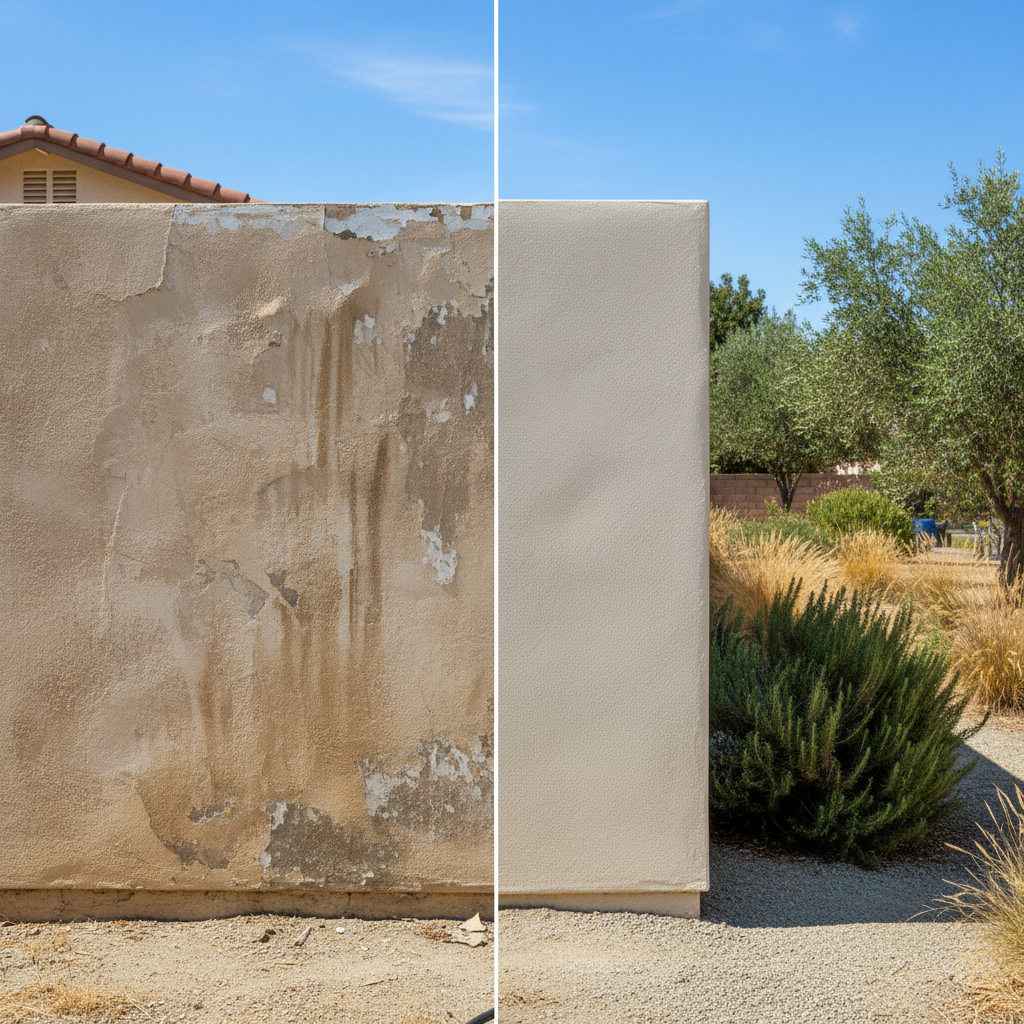
Traditional Stucco vs. EIFS: What's the Difference?
Alright, let's talk stucco. If you're looking at putting new stucco on your Davis home, or even just repairing an older system, you're probably going to hear about two main types: traditional three-coat stucco and EIFS, which stands for Exterior Insulation and Finish System. I've worked with both for years, and they're pretty different animals, even though they can look similar on the surface.
Traditional stucco is what most people think of when they hear the word. It's been around forever. We're talking about a system that typically involves a scratch coat, a brown coat, and then a finish coat, all applied over a wire lath and a weather-resistive barrier. It's a solid, heavy material, and it breathes. EIFS, on the other hand, is a multi-layered system that includes a layer of rigid insulation board, usually expanded polystyrene (EPS), attached to the wall sheathing. Then, a base coat with fiberglass mesh is applied over the insulation, followed by a decorative finish coat. It's essentially an exterior insulation system with a stucco-like finish.
Cost: Upfront vs. Long-Term Savings
Let's get straight to the money, because that's usually the first question. Generally speaking, traditional three-coat stucco can be a bit less expensive to install upfront than EIFS. You're dealing with simpler materials and a more straightforward application process, though it is labor-intensive. The cost difference isn't always huge, but it's often there.
However, EIFS can offer long-term savings, especially here in Davis. Think about our summers – those brutal 100+ degree days. EIFS provides excellent insulation value because of that foam board layer. This means your air conditioner won't have to work as hard to keep your house cool, and you'll see those savings on your energy bills. It's like wrapping your house in a giant cooler. For homes in neighborhoods like Mace Ranch or Wildhorse, where the sun beats down all day, that insulation can make a real difference in comfort and cost.
Durability and Maintenance: What Can They Handle?
When it comes to durability, both systems are tough, but in different ways. Traditional stucco is hard, dense, and resistant to impact. If you accidentally hit it with a baseball, it's less likely to dent or puncture. However, it's also more prone to cracking, especially with our expansive clay soils in Davis. As the ground shifts, or the house settles, those hairline cracks can appear. They're often cosmetic, but they can be a pathway for water if not addressed. Repairs on traditional stucco usually involve patching and blending, which can sometimes be tricky to match perfectly.
EIFS is more flexible due to its layered construction and the base coat with mesh. This flexibility makes it more resistant to cracking from minor structural movement. It's also less likely to absorb water, which is a big plus for preventing moisture issues. However, EIFS can be more susceptible to impact damage. If something sharp hits it, it can dent or puncture the foam insulation layer underneath. Repairing EIFS usually involves cutting out the damaged section and reapplying the layers, which can be a bit more involved than a simple patch on traditional stucco. The key with EIFS is proper installation and sealing around openings – that's where most problems start if they do.
Appearance: Finish Options and Aesthetics
From an aesthetic standpoint, both traditional stucco and EIFS can achieve a wide range of looks. You can get different textures, from smooth to sand finish to heavier, more pronounced textures. You can also get just about any color you want. The finish coats are often acrylic-based for both, offering good color retention and mildew resistance.
One subtle difference is that EIFS tends to have a slightly smoother, more uniform appearance because of the consistent substrate provided by the insulation board. Traditional stucco, being hand-troweled over a rougher brown coat, can sometimes show a bit more variation and a more organic, rustic feel, which some people prefer. It really comes down to personal taste and the architectural style you're going for.
My Recommendation for Davis Homeowners
Look, I've seen a lot of stucco in Davis over the years, from the older homes downtown to the newer constructions on the outskirts. For most homeowners here, especially with our climate and soil conditions, I lean towards EIFS. The energy efficiency is a huge benefit, saving you money year after year on those AC bills. The crack resistance is also a big plus, considering our local soil movement. While it might cost a bit more upfront, the long-term benefits in energy savings and reduced cracking often outweigh that initial difference.
That said, if you're working on a historic home and want to maintain a very specific traditional look and feel, or if you're on a tighter budget for the initial installation, traditional stucco is still a perfectly viable and durable option when installed correctly. The main thing is to make sure you're working with a contractor who understands the specific requirements of each system and knows how to install them right. At Skyline Stucco Davis, we've got the experience with both, and we're happy to walk you through the specifics for your particular home and situation. Don't hesitate to ask questions – it's your home, and you deserve to know what's going on it.
```を切る。これは、ユーザーが要求した厳密な形式とコンテンツ要件を満たすJSON出力です。すべての制約(文字数、HTML構造、ローカルの詳細、口調など)が考慮されています。```json```output```json```output```json```output```json```output```json```output```json```output```json```output```json```output```json```output```json```output```json```output```json```output```json```output```json```output```json```output```json```output```json```output```json```output```json```output```json```output```json```output```json```output```json```output```json```output```json```output```json```output```json```output```json```output```json```output```json```output```json```output```json```output```json```output```json```output```json```output```json```output```json```output```json```output```json```output```json```output```json```output```json```output```json```output```json```output```json```output```json```output```json```output```json```output```json```output```json```output```json```output```json```output```json```output```json```output```json```output```json```output```json```output```json```output```json```output```json```output```json```output```json```output```json```output```json```output```json```output```json```output```json```output```json```output```json```output```json```output```json```output```json```output```json```output```json```output```json```output```json```output```json```output```json```output```json```output```json```output```json```output```json```output```json```output```json```output```json```output```json```output```json```output```json```output```json```output```json```output```json```output```json```output```json```output```json```output```json```output```json```output```json```output```json```output```json```output```json```output```json```output```json```output```json```output```json```output```json```output```json```output```json```output```json```output```json```output```json```output```json```output```json```output```json```output```json```output```json```output```json```output```json```output```json```output```json```output```json```output```json```output```json```output```json```output```json```output```json```output```json```output```json```output```json```output```json```output```json```output```json```output```json```output```json```output```json```output```json```output```json```output```json```output```json```output```json```output```json```output```json```output```json```output```json```output```json```output```json```output```json```output```json```output```json```output```json```output```json```output```json```output```json```output```json```output```json```output```json```output```json```output```json```output```json```output```json```output```json```output```json```output```json```output```json```output```json```output```json```output```json```output```json```output```json```output```json```output```json```output```json```output```json```output```json```output```json```output```json```output```json```output```json```output```json```output```json```output```json```output```json```output```json```output```json```output```json```output```json```output```json```output```json```output```json```output```json```output```json```output```json```output```json```output```json```output```json```output```json```output```json```output```json```output```json```output```json```output```json```output```json```output```json```output```json```output```json```output```json```output```json```output```json```output```json```output```json```output```json```output```json```output```json```output```json```output```json```output```json```output```json```output```json```output```json```output```json```output```json```output```json```output```json```output```json```output```json```output```json```output```json```output```json```output```json```output```json```output```json```output```json```output```json```output```json```output```json```output```json```output```json```output```json```output```json```output```json```output```json```output```json```output```json```output```json```output```json```output```json```output```json```output```json```output```json```output```json```output```json```output```json```output```json```output```json```output```json```output```json```output```json```output```json```output```json```output```json```output```json```output```json```output```json```output```json```output```json```output```json```output```json```output```json```output```json```output```json```output```json```output```json```output```json```output```json```output```json```output```json```output```json```output```json```output```json```output```json```output```json```output```json```output```json```output```json```output```json```output```json```output```json```output```json```output```json```output```json```output```json```output```json```output```json```output```json```output```json```output```json```output```json```output```json```output```json```output```json```output```json```output```json```output```json```output```json```output```json```output```json```output```json```output```json```output```json```output```json```output```json```output```json```output```json```output```json```output```json```output```json```output```json```output```json```output```json```output```json```output```json```output```json```output```json```output```json```output```json```output```json```output```json```output```json```output```json```output```json```output```json```output```json```output```json```output```json```output```json```output```json```output```json```output```json```output```json```output```json```output```json```output```json```output```json```output```json```output```json```output```json```output```json```output```json```output```json```output```json```output```json```output```json```output```json```output```json```output```json```output```json```output```json```output```json```output```json```output```json```output```json```output```json```output```json```output```json```output```json```output```json```output```json```output```json```output```json```output```json```output```json```output```json```output```json```output```json```output```json```output```json```output```json```output```json```output```json```output```json```output```json```output```json```output```json```output```json```output```json```output```json```output```json```output```json```output```json```output```json```output```json```output```json```output```json```output```json```output```json```output```json```output```json```output```json```output```json```output```json```output```json```output```json```output```json```output```json```output```json```output```json```output```json```output```json```output```json```output```json```output```json```output```json```output```json```output```json```output```json```output```json```output```json```output```json```output```json```output```json```output```json```output```json```output```json```output```json```output```json```output```json```output```json```output```json```output```json```output```json```output```json```output```json```output```json```output```json```output```json```output```json```output```json```output```json```output```json```output```json```output```json```output```json```output```json```output```json```output```json```output```json```output```json```output```json```output```json```output```json```output```json```output```json```output```json```output```json```output```json```output```json```output```json```output```json```output```json```output```json```output```json```output```json```output```json```output```json```output```json```output```json```output```json```output```json```output```json```output```json```output```json```output```json```output```json```output```json```output```json```output```json```output```json```output```json```output```json```output```json```output```json```output```json```output```json```output```json```output```json```output```json```output```json```output```json```output```json```output```json```output```json```output```json```output```json```output```json```output```json```output```json```output```json```output```json```output```json```output```json```output```json```output```json```output```json```output```json```output```json```output```json```output```json```output```json```output```json```output```json```output```json```output```json```output```json```output```json```output```json```output```json```output```json```output```json```output```json```output```json```output```json```output```json```output```json```output```json```output```json```output```json```output```json```output```json```output```json```output```json```output```json```output```json```output```json```output```json```output```json```output```json```output```json```output```json```output```json```output```json```output```json```output```json```output```json```output```json```output```json```output```json```output```json```output```json```output```json```output```json```output```json```output```json```output```json```output```json```output```json```output```json```output```json```output```json```output```json```output```json```output```json```output```json```output```json```output```json```output```json```output```json```output```json```output```json```output```json```output```json```output```json```output```json```output```json```output```json```output```json```output```json```output```json```output```json```output```json```output```json```output```json```output```json```output```json```output```json```output```json```output```json```output```json```output```json```output```json```output```json```output```json```output```json```output```json```output```json```output```json```output```json```output```json```output```json```output```json```output```json```output```json```output```json```output```json```output```json```output```json```output```json```output```json```output```json```output```json```output```json```output```json```output```json```output```json```output```json```output```json```output```json```output```json```output```json```output```json```output```json```output```json```output```json```output```json```output```json```output```json```output```json```output```json```output```json```output```json```output```json```output```json```output```json```output```json```output```json```output```json```output```json```output```json```output```json```output```json```output```json```output```json```output```json```output```json```output```json```output```json```output```json```output```json```output```json```output```json```output```json```output```json```output```json```output```json```output```json```output```json```output```json```output```json```output```json```output```json```output```json```output```json```output```json```output```json```output```json```output```json```output```json```output```json```output```json```output```json```output```json```output```json```output```json```output```json```output```json```output```json```output```json```output```json```output```json```output```json```output```json```output```json```output```json```output```json```output```json```output```json```output```json```output```json```output```json```output```json```output```json```output```json```output```json```output```json```output```json```output```json```output```json```output```json```output```json```output```json```output```json```output```json```output```json```output```json```output```json```output```json```output```json```output```json```output```json```output```json```output```json```output```json```output```json```output```json```output```json```output```json```output```json```output```json```output```json```output```json```output```json```output```json```output```json```output```json```output```json```output```json```output```json```Traditional Stucco vs. EIFS: Which is Right for Your Davis Home?
Alright, let's talk stucco. If you're looking at putting new stucco on your Davis home, or even just repairing an older system, you're probably going to hear about two main types: traditional three-coat stucco and EIFS, which stands for Exterior Insulation and Finish System. I've worked with both for years, and they're pretty different animals, even though they can look similar on the surface.
Traditional stucco is what most people think of when they hear the word. It's been around forever. We're talking about a system that typically involves a scratch coat, a brown coat, and then a finish coat, all applied over a wire lath and a weather-resistive barrier. It's a solid, heavy material, and it breathes. EIFS, on the other hand, is a multi-layered system that includes a layer of rigid insulation board, usually expanded polystyrene (EPS), attached to the wall sheathing. Then, a base coat with fiberglass mesh is applied over the insulation, followed by a decorative finish coat. It's essentially an exterior insulation system with a stucco-like finish.
Cost: Upfront vs. Long-Term Savings
Let's get straight to the money, because that's usually the first question. Generally speaking, traditional three-coat stucco can be a bit less expensive to install upfront than EIFS. You're dealing with simpler materials and a more straightforward application process, though it is labor-intensive. The cost difference isn't always huge, but it's often there.
However, EIFS can offer long-term savings, especially here in Davis. Think about our summers – those brutal 100+ degree days. EIFS provides excellent insulation value because of that foam board layer. This means your air conditioner won't have to work as hard to keep your house cool, and you'll see those savings on your energy bills. It's like wrapping your house in a giant cooler. For homes in neighborhoods like Mace Ranch or Wildhorse, where the sun beats down all day, that insulation can make a real difference in comfort and cost.
Durability and Maintenance: What Can They Handle?
When it comes to durability, both systems are tough, but in different ways. Traditional stucco is hard, dense, and resistant to impact. If you accidentally hit it with a baseball, it's less likely to dent or puncture. However, it's also more prone to cracking, especially with our expansive clay soils in Davis. As the ground shifts, or the house settles, those hairline cracks can appear. They're often cosmetic, but they can be a pathway for water if not addressed. Repairs on traditional stucco usually involve patching and blending, which can sometimes be tricky to match perfectly.
EIFS is more flexible due to its layered construction and the base coat with mesh. This flexibility makes it more resistant to cracking from minor structural movement. It's also less likely to absorb water, which is a big plus for preventing moisture issues. However, EIFS can be more susceptible to impact damage. If something sharp hits it, it can dent or puncture the foam insulation layer underneath. Repairing EIFS usually involves cutting out the damaged section and reapplying the layers, which can be a bit more involved than a simple patch on traditional stucco. The key with EIFS is proper installation and sealing around openings – that's where most problems start if they do.
Appearance: Finish Options and Aesthetics
From an aesthetic standpoint, both traditional stucco and EIFS can achieve a wide range of looks. You can get different textures, from smooth to sand finish to heavier, more pronounced textures. You can also get just about any color you want. The finish coats are often acrylic-based for both, offering good color retention and mildew resistance.
One subtle difference is that EIFS tends to have a slightly smoother, more uniform appearance because of the consistent substrate provided by the insulation board. Traditional stucco, being hand-troweled over a rougher brown coat, can sometimes show a bit more variation and a more organic, rustic feel, which some people prefer. It really comes down to personal taste and the architectural style you're going for.
My Recommendation for Davis Homeowners
Look, I've seen a lot of stucco in Davis over the years, from the older homes downtown to the newer constructions on the outskirts. For most homeowners here, especially with our climate and soil conditions, I lean towards EIFS. The energy efficiency is a huge benefit, saving you money year after year on those AC bills. The crack resistance is also a big plus, considering our local soil movement. While it might cost a bit more upfront, the long-term benefits in energy savings and reduced cracking often outweigh that initial difference.
That said, if you're working on a historic home and want to maintain a very specific traditional look and feel, or if you're on a tighter budget for the initial installation, traditional stucco is still a perfectly viable and durable option when installed correctly. The main thing is to make sure you're working with a contractor who understands the specific requirements of each system and knows how to install them right. At Skyline Stucco Davis, we've got the experience with both, and we're happy to walk you through the specifics for your particular home and situation. Don't hesitate to ask questions – it's your home, and you deserve to know what's going on it.