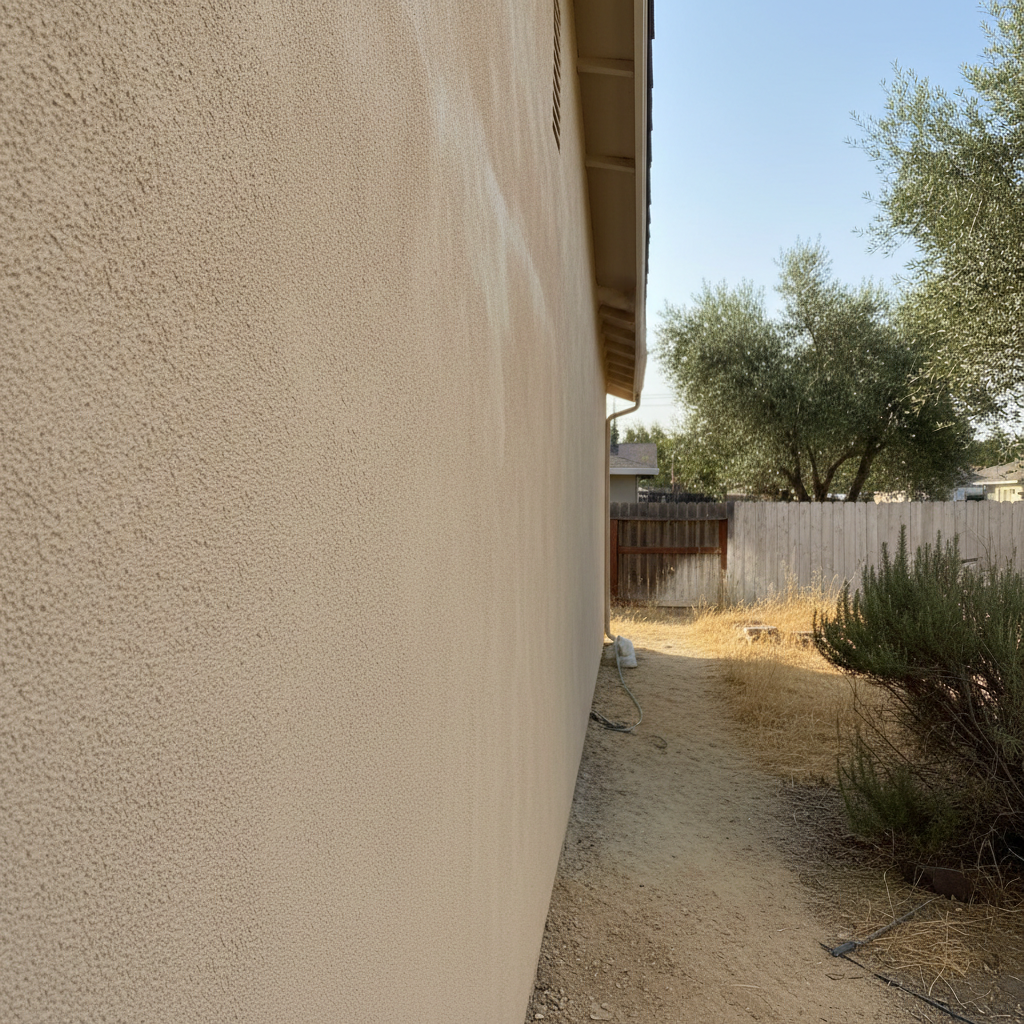
What's the difference between a hairline crack and a serious problem?
This is probably the most common question I get, and it's a good one. Not all cracks are created equal, you know? A hairline crack, one that's super thin, barely visible, and doesn't seem to be growing, is often just a surface-level issue. It could be from the stucco curing, minor settling, or even just temperature changes. We usually call these 'stress cracks' or 'shrinkage cracks.' They're mostly cosmetic, and while you can patch them, they don't usually mean water's getting in.
Now, a serious problem is a different story entirely. If you see cracks wider than a credit card, or if they're running horizontally or diagonally across large sections of your wall—especially near windows or doors—that's a red flag. Cracks that look like stair-steps, or ones with signs of water staining below them, definitely need a closer look. These can point to structural movement, water intrusion, or even a bad original installation. Don't ignore those; they're your home's way of telling you something's wrong beneath the surface.
Can I just patch small stucco holes or cracks myself?
You absolutely can, for small stuff. For those little hairline cracks or tiny dings, plenty of stucco patch kits are available at your local hardware store. It's not rocket science to mix a small batch and trowel it into a crack. The trickiest part for a DIYer isn't the patching itself, though; it's matching the texture and color. Stucco has a unique texture, and getting a seamless blend with the existing finish can be tough. You might end up with a smooth patch on a rough wall, or one that's a slightly different shade, which will stick out like a sore thumb.
For anything larger than a few inches, or if you're dealing with deeper damage, I'd really recommend calling in a pro. You don't want to accidentally trap moisture or create a patch that's weaker than the surrounding stucco. We've got the specialized tools and experience to blend repairs so they're practically invisible, which is something most homeowners can't achieve on their first try.
How long does stucco repair usually take?
That's like asking how long a piece of string is, right? It totally depends on the scope of the damage. A small, cosmetic patch might take me an hour or two, start to finish. If we're talking about a larger area, say a square foot or two with some deeper damage, it could be a half-day job, including prep, application, and initial drying time.
For extensive repairs, like replacing a whole section of a wall due to water damage or structural issues, we could be looking at several days, or even a week or more. This includes removing the old stucco, inspecting the substrate, making any necessary repairs to the sheathing or framing, applying new lath, scratch coat, brown coat, and then the finish coat. Plus, you've got drying times between layers, especially here in Davis where the summer heat can really bake things, but then the winter rains can slow drying down. We always factor in proper curing time to ensure the repair lasts.
What causes stucco to fail or crack in the first place?
There are a bunch of reasons, and often it's a combination of a few things. One big one is just the natural movement of your home. Houses settle, and that can put stress on rigid materials like stucco, leading to cracks. Then there's water. Water is stucco's archenemy. If your gutters are overflowing, or sprinklers are constantly hitting the wall, or you have poor drainage around your foundation, that moisture can get behind the stucco, leading to delamination, efflorescence (those white powdery stains), or even mold.
Poor installation is another common culprit. If the lath wasn't installed correctly, or the stucco wasn't mixed right, or applied too thin, it's just not going to hold up. We also see issues with improper flashing around windows and doors, which lets water sneak in. And let's not forget our local climate. The intense Davis summers with those long, hot days followed by cooler nights can cause expansion and contraction, which over years can lead to stress cracks. Even earthquakes, however minor, can contribute to cracking.
Do I need to repaint my whole house after a stucco repair?
Not necessarily, but it's a common outcome. If we're doing a small, localized repair, we'll do our absolute best to match the existing texture and color. We carry a range of common stucco colors and can often get a very close match. However, stucco naturally fades over time due to sun exposure and weathering. So, even if we match the original color perfectly, the new patch might look brighter or slightly different than the aged stucco around it.
If the repair is extensive, or if your existing stucco is significantly faded or discolored, then yes, painting the whole house is usually the best way to get a uniform, fresh look. It's an added expense, but it ensures the repair blends seamlessly and gives your home renewed curb appeal. Sometimes, clients opt to just paint the repaired wall, but even then, you might see a subtle difference compared to the other walls. We'll always discuss your options and expectations upfront at Skyline Stucco Davis.
How can I prevent future stucco damage?
Prevention is always cheaper than repair, that's for sure. First, keep an eye on your gutters and downspouts. Make sure they're clean and directing water away from your foundation. You don't want water constantly splashing against your stucco walls. Check your sprinklers too; adjust them so they're not spraying directly onto the house.
Regular inspections are key. Walk around your house a couple of times a year, especially after heavy rain or strong winds. Look for new cracks, discoloration, or any areas that look damp. If you see small issues, address them promptly before they become big ones. Make sure the caulk around your windows and doors is in good shape—that's a common entry point for water. And if you're doing any landscaping, maintain proper drainage away from your home's foundation. Good maintenance goes a long way in protecting your stucco.