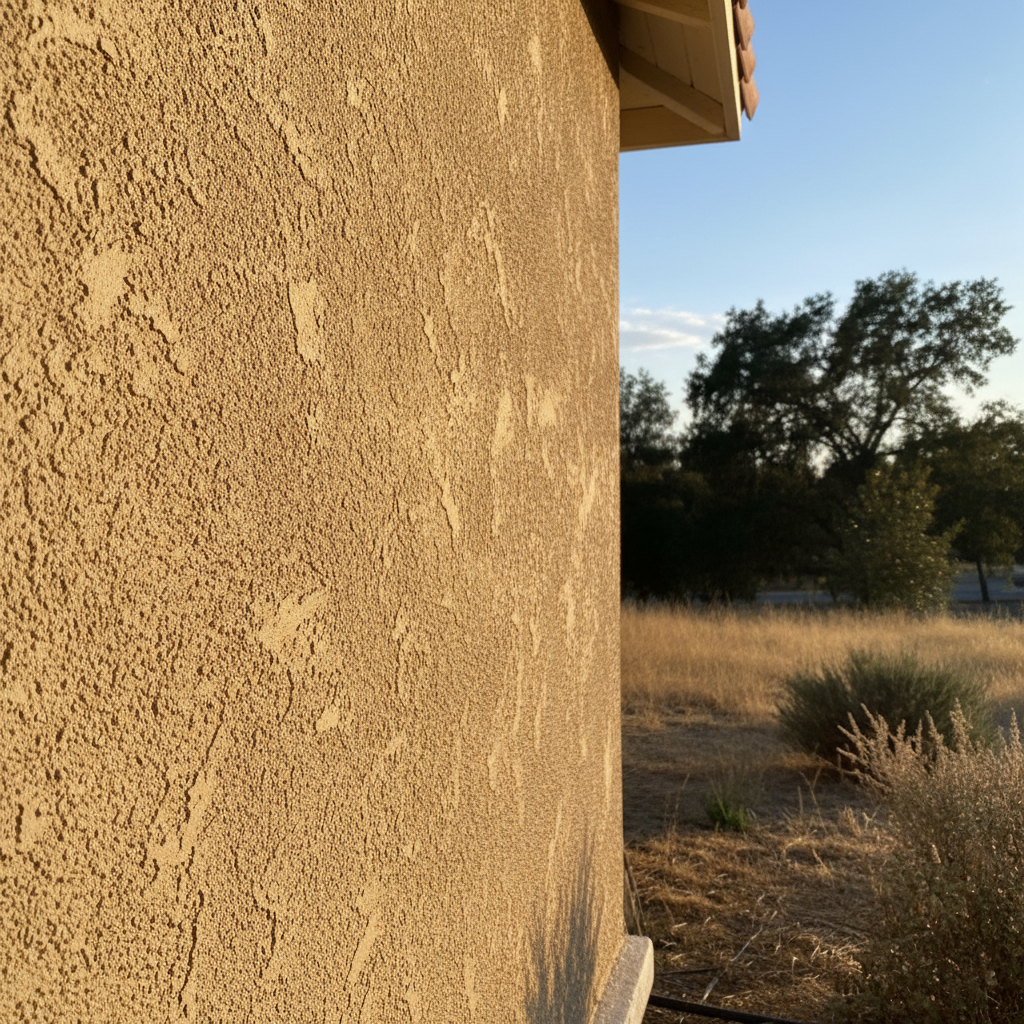
Alright, let's talk stucco. You've got a stucco home here in Davis, maybe it's one of those charming older builds in Central Davis, or a newer place out by Mace Ranch. Either way, stucco's a tough, durable finish, but it's not invincible. Over time, things can happen, and knowing what to look for can save you a real headache and a lot of money down the road.
You don't need to be a stucco expert to do a basic check-up on your own home. Think of it like changing your car's oil – you can do it, but sometimes you need the mechanic for the bigger stuff. Here's what I tell folks about inspecting their stucco, what you can tackle, and when it's smart to call someone like us at Skyline Stucco Davis.
Before You Even Start: Gather Your Gear
Before you go poking around, grab a few things. You'll want a good pair of binoculars if you have a second story, a flashlight, a small, non-marring tool like a plastic putty knife or even a wooden dowel (don't use anything sharp or metal!), and a notepad or your phone to take pictures and notes. A ladder might be necessary for lower areas, but safety first – don't get on a ladder if you're not comfortable or if it's windy. For higher spots, that's definitely a job for a pro with the right equipment.
Your DIY Stucco Inspection: What to Look For
Okay, let's get into the nitty-gritty. You're looking for signs of trouble, big and small.
- Cracks: Not all cracks are created equal. Hairline cracks, especially around windows and doors, are pretty common. They're often just surface-level and happen as the house settles or from temperature changes. Think of our hot Davis summers and cooler winters – that expansion and contraction can cause minor cracking. Keep an eye on them; if they get wider than a credit card or start branching out, that's a red flag. Vertical or horizontal cracks that run continuously for several feet, or spiderweb cracks (often called map cracking), can indicate bigger issues with the stucco's base or the structure underneath.
- Stains and Discoloration: Dark streaks, especially under windows, eaves, or near the ground, often mean water's getting in somewhere it shouldn't. Algae or mildew growth can also point to moisture problems. Pay close attention to areas where different materials meet, like where stucco meets trim or the foundation.
- Bulges or Soft Spots: This is a big one. Gently tap the stucco with your plastic putty knife or dowel. It should sound solid. If you hear a hollow sound, or if the stucco feels soft or spongy when you press on it (don't press too hard!), that's a serious concern. It usually means water has gotten behind the stucco and is damaging the lath or the sheathing.
- Flaking or Peeling: If the stucco surface is flaking off in layers, or if paint applied over stucco is peeling extensively, it could be a sign of moisture trapped underneath or poor adhesion.
- Caulking Conditions: Check all the caulk around windows, doors, and utility penetrations (like hose bibs or electrical outlets). Is it cracked, missing, or pulling away from the stucco? Failed caulk is a super common entry point for water.
- Drainage Issues: Look at your gutters and downspouts. Are they clogged? Are they directing water away from your foundation? Water pooling near your foundation or splashing up onto the lower stucco can cause significant damage over time.
When to Call a Pro (That's Us!)
You've done your walk-around, you've taken your notes, and you've found some things that make you scratch your head. Here's when it's definitely time to pick up the phone:
- Any sign of structural cracks: If you see wide, continuous cracks, or cracks that seem to go through the entire wall, don't mess around.
- Soft or bulging stucco: This is almost always a sign of water intrusion and potential rot behind the stucco. It needs to be addressed quickly.
- Extensive staining or mold/mildew: If you've got large areas of discoloration or growth, especially if it keeps coming back after cleaning, you've got a moisture problem.
- Water intrusion inside your home: If you see water stains on interior walls or ceilings that correspond to an exterior stucco wall, you know you have a leak.
- You're just not sure: Honestly, sometimes you just need a second pair of experienced eyes. We've seen it all, and we can tell you what's a minor fix and what needs more attention. We've got the tools and the know-how to do a more in-depth inspection, including moisture metering if needed, to really pinpoint the issue.
A good, thorough inspection by a professional can identify problems early, before they turn into expensive nightmares. It's an investment in your home's health and your peace of mind. Don't wait until you've got major damage; a proactive approach is always best for your stucco home here in Davis.